
The Benefits of Church Stained Glass Restoration
The distinct elegance of stained-glass installations has long served as a definitive feature of religious architecture across the country. These intricate glass pieces do far more than simply cover an open window space. They filter natural sunlight into a soft cascade of colors, creating a peaceful, contemplative environment that helps congregants focus on their daily worship. Over prolonged periods, however, even the most carefully constructed glass panels will begin to show signs of age, structural sagging, and environmental wear.
When a religious community notices that its historical windows are starting to bow, leak, or lose their original clarity, addressing these surface changes promptly protects the structural foundation of the entire building. Delaying necessary maintenance can lead to broken glass pieces, weakened supporting frames, and expensive interior water damage along your sanctuary walls. Investing in the careful preservation of your property with a church window restoration company ensures that your sacred artwork continues to inspire your community for generations without requiring a complete replacement.
Understanding Glass Longevity
Every historic window eventually reaches a point where the original structural components begin to soften and lose their holding strength. The continuous cycle of daytime heat expansion and nighttime cooling places immense physical strain on the lead cames holding the glass sections together. According to Mymove, a stained-glass window should last between 75 and 150 years. This long operational lifespan means that many historical panels created during the previous century are currently approaching a critical phase where professional stabilization is necessary to prevent structural failure.
When your community partners with an experienced church window restoration company, you receive a comprehensive inspection that evaluates the physical health of every panel, solder joint, and supporting brace. True experts look past the surface dust to check the structural stability of the entire installation, helping your leadership team make informed decisions regarding property care.
Researching Professional Restoration Steps
The process of renewing a historic glass panel requires a high level of physical patience, artistic skill, and specialized workshop equipment. This is not a project that can be rushed or handled by a general contractor without specialized training. When an organization decides to address its aging frames, choosing an established church window restoration company guarantees that every piece of glass is handled with complete care and precision.
Assessing Structural Sagging
Over several decades, the immense weight of a large vertical glass panel can cause the soft lead cames to bend outward, creating noticeable bulges or waves along the surface. This structural shifting introduces dangerous stress points that can cause individual colored glass segments to crack under wind pressure. A specialized team can safely remove the panel from its frame, transport it to a controlled workshop, and flatten the structure carefully without disturbing the original artistic design.
Replacing Worn Lead Channels
The soft metal strips that bind the individual glass pieces together will eventually become brittle and crack due to constant exposure to moisture and temperature changes. Complete restoration involves carefully dismantling the old, weakened lead cames, cleaning the edges of each historic glass segment, and rebuilding the entire panel using fresh, durable lead channels.
Preserving Historical Color Narratives
The vivid imagery displayed in religious windows serves as a beautiful visual textbook, illustrating historical accounts and spiritual narratives for everyone who enters the sanctuary. Preserving the exact color tones, hand-painted details, and unique textures of the original glass is a top priority during any structural refresh. A dedicated focus on conserving as much of the original historic material as possible, using specialized matching techniques only when a segment is missing or destroyed.
Replicating Kiln-Fired Details
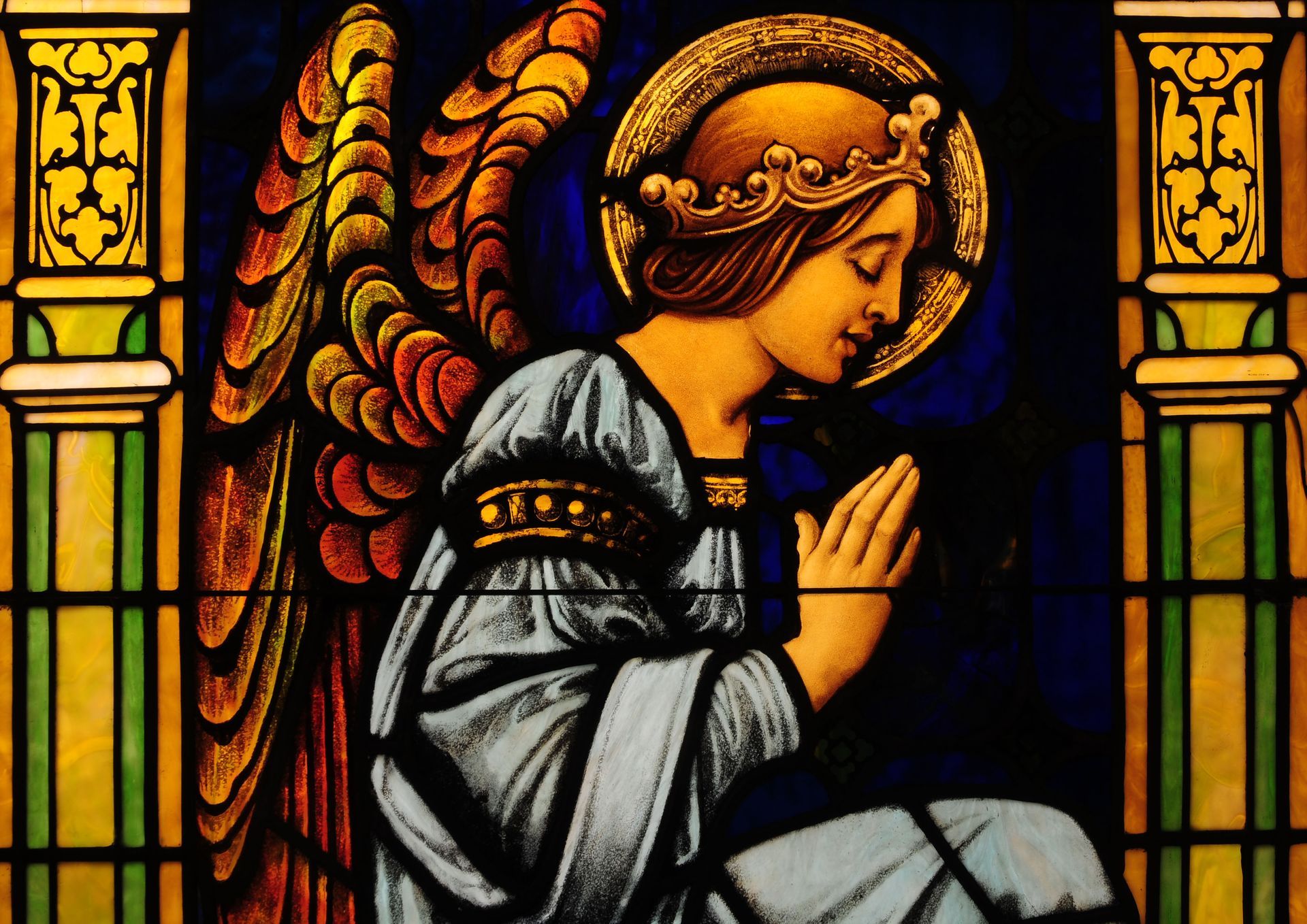
Many historical windows feature intricate faces, hands, and decorative drapery painted directly onto the glass surface using specialized metallic pigments. Over the years, condensation and soot can wear down these delicate surface layers, causing the images to fade. Experienced artisans can replicate these missing details on matching glass pieces, firing them in a high-temperature kiln to fuse the paint permanently into the surface before assembling the final panel.
Sourcing Matching Textures
Finding the exact color match for a piece of glass manufactured over a century ago requires deep connections within the specialized glassmaking industry. Historic studios utilized unique chemical formulas and manual pouring techniques that created distinct bubbles, ripples, and variations within each sheet. True restoration experts maintain extensive inventories of vintage glass remnants to ensure that any necessary replacement segments blend seamlessly with the surrounding original work.
Choosing Your Restoration Partner
Selecting the right team to handle your religious property upgrades requires a look at their business history, studio capabilities, and completed local projects. You are trusting a team with irreplaceable community artifacts, so demanding a high level of transparency and clear communication is entirely appropriate.
Reviewing Studio Portfolios
A professional church window restoration company will be proud to display detailed photographs documenting their past preservation projects. Looking at these real-world examples allows your committee to review the cleanliness of their lead lines, the accuracy of their glass matching, and the overall execution of their structural frames. Choosing a provider with a proven background in historic preservation ensures your project is handled with complete care.
Formulating Straightforward Agreements
Before any glass is removed from your building, having a detailed, written estimate ensures that your board understands the exact scope of the work. A clear contract should break down the timelines for removal, the step-by-step studio process, the reinstallation logistics, and the total cost of materials and labor. This professional clarity allows your organization to plan its fundraising milestones and budget updates with absolute confidence.
Completing Final Property Reinstallations
The final phase of a preservation project involves returning the fully stabilized panels to your building and securing them into their architectural frames precisely. This step requires field experience to ensure that the heavy glass structures are sealed tightly against the elements without placing undue pressure on the historical window openings.
Stabilizing Perimeter Structural Support
Before the restored glass is set back into place, the structural frames along the building walls must be scraped, cleaned, and repaired. If the original wood or stone tracks have begun to deteriorate due to old moisture leaks, these perimeter zones must be reinforced completely. Ensuring the surrounding frame is rigid, square, and level provides a flat foundation that protects your window from future shifting.
Applying Protective Exterior Overlays
Many congregations choose to install a clear, durable outer layer over their historic windows to shield the delicate lead and glass from direct weather exposure. A professional church window restoration company can design a custom exterior venting system that protects your artwork from driving rain, hail, and stray rocks while allowing natural airflow between the glass layers. This defensive addition keeps your investment safe from external impacts without altering the view from inside your sanctuary.
Dedicating resources to the continuous care of your historic glass installations is a powerful way to honor the history of your building, protect your real estate value, and inspire your community. From your initial on-site condition assessment to the detailed cleaning, releading, and final field installation, every single stage of a preservation project requires experienced hands and deep structural knowledge.
When your organization is ready to address bowing glass panels, refresh your historic colors, and partner with a dedicated church window restoration company, the team at Studio K Stained Glass LLC is here to support you. Our specialized studio provides a complete range of premium preservation services customized to your specific building needs, including detailed historic window cleaning, custom frame repairs, kiln-fired paint replication, complete panel releading, and protective exterior installations. To discuss your upcoming window preservation goals or to arrange a comprehensive on-site consultation for your building, please contact Studio K Stained Glass LLC today.

Share On: